
How to Find the Right Online Spanish Tutor for Adults (and What to Expect From Your First Lesson)

Finding a Spanish tutor who fits your goals and your schedule can make learning feel much more manageable. Instead of squeezing into a class that moves at someone else’s pace, you can focus on the conversations you actually want to have: at work, while traveling, or with family and friends.
The right tutor should help you feel comfortable speaking, give feedback you can use, and shape lessons around your needs. Here’s what to look for in an online Spanish tutor for adults, plus what you can expect when you meet for the first time.
Start with what you want to do in Spanish
Before comparing tutors, think about the situations where you want to feel more confident. Maybe you need to speak with Spanish-speaking customers or colleagues. Maybe you’re preparing for a trip, connecting with family, or returning to Spanish after years away.
Try writing one clear goal:
- “I want to handle basic conversations with customers.”
- “I want to feel more comfortable speaking during a trip.”
- “I want to understand and join in when my family speaks Spanish.”
Your goal doesn’t have to be perfectly specific. It simply gives you and your tutor somewhere useful to start. A good tutor will ask about your experience, interests, schedule, and priorities, and use those details to shape your lessons.
What should you look for in an online Spanish tutor for adults?
A tutor’s profile can tell you a little, but a conversation with them tells you much more. As you explore your options, consider these qualities.
Experience teaching adult learners
Adults bring real-life knowledge, busy schedules, and personal reasons for learning. Look for a tutor who understands how to work with those needs, whether you’re a beginner or already know some Spanish.
Ask how they adapt lessons for adults and how they support learners who feel nervous about speaking. You want someone patient and encouraging who can also help you make steady progress.
Lessons connected to your goals
Your lessons should reflect the Spanish you want to use. A work-focused learner might practice introductions, customer conversations, or common workplace situations. A traveler might rehearse asking for directions, ordering food, or checking into a hotel.
That practical focus makes private Spanish lessons online feel relevant from the beginning. You’re not just learning words in isolation; you’re practicing how to use them.
A conversation-first approach
Conversation is a skill you build by speaking and listening, not only by memorizing grammar rules. Grammar has an important role, but it should help you express yourself, not keep you from trying.
Ask how much speaking practice you can expect and how the tutor handles mistakes. A helpful tutor may let you finish a thought, then review a few useful corrections. They should give you enough guidance to keep going without making every sentence feel like a test.
Feedback that helps you improve
Good feedback is specific, kind, and easy to apply. Your tutor might point out a pronunciation pattern, show you a more natural phrase, or help you notice a recurring grammar mistake.
You should also have time to try the correction yourself. The goal isn’t to avoid mistakes; it’s to learn from them and feel more prepared for the next conversation.
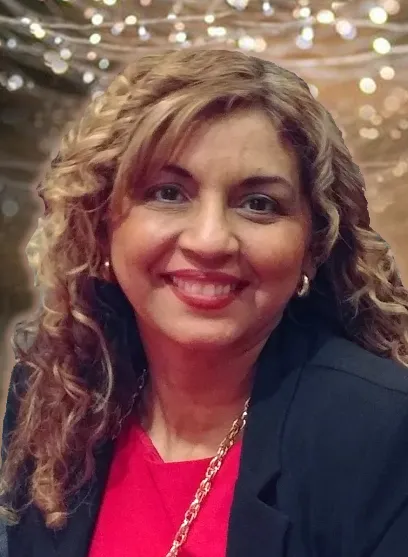
At AmigosBC, lessons are led by Angela Beltrán, a native Spanish instructor from Colombia with more than 30 years of experience. Her approach is centered on practical conversation and personalized support. You can learn more about Angela and the AmigosBC teaching philosophy.
A schedule you can maintain
Consistency matters, but your plan needs to fit your actual life. Ask about lesson times, session length, and how rescheduling works before you commit. A regular weekly appointment can help you build a routine, but the right frequency depends on your goals and availability.
It’s also worth asking what happens between lessons. Short, manageable practice, such as reviewing useful phrases or listening to a short recording, can help keep Spanish present in your week without turning it into another full-time responsibility.
What happens in a first online Spanish lesson?
A first lesson is usually a chance for you and your tutor to get to know each other and find a comfortable starting point. It shouldn’t feel like an exam.
You might talk about:
- Your goals and experience. What brings you to Spanish? Have you studied before? Where would you like to use it?
- Your current level. Your tutor may ask simple questions or invite you to introduce yourself. If you’re new, that’s completely fine.
- A little practical conversation. You may practice useful phrases, answer questions, or try a short role-play connected to your goal.
- Feedback and next steps. Your tutor can share what you did well, what to work on next, and how future lessons might be structured.
You don’t need to prepare a polished introduction. It can help to bring one or two situations you want to practice, but it’s perfectly okay to arrive unsure. A thoughtful tutor will meet you where you are.

How one-on-one coaching supports professional learners
If you’re balancing meetings, travel, family, and other responsibilities, generic lessons can be hard to connect to your day. One-on-one coaching gives you space to focus on what matters to you, ask questions as they come up, and take more turns speaking.
That can make each session feel purposeful: practice a conversation you expect to have at work, ask for help with a phrase you heard, or spend extra time on a topic that feels challenging. Your tutor can adjust the pace as your confidence and needs change.
Research on adult online tutoring has explored how individual oral practice and timely support can help learners develop speaking skills. One study focused on adult Thai learners of English, not Spanish, so it isn’t a promise of a particular result. It does offer relevant context for why personalized speaking practice can be useful. Read the study.
You can explore AmigosBC’s online Spanish classes for adults and private Spanish lessons to see how one-on-one coaching works.
How can you tell if the tutor is a good fit?
After the first lesson, ask yourself a few simple questions:
- Did the tutor listen to what I want to learn?
- Did I get a chance to speak?
- Were the explanations and corrections clear?
- Did the lesson feel challenging but manageable?
- Can I picture fitting this schedule into my week?
- Do I know what we might work on next?
A good match doesn’t mean you’ll understand every word or feel completely confident right away. It means you felt supported, the lesson connected to your goals, and you have a clear next step.
Brief student comments can offer a little reassurance, too. One AmigosBC student described feeling comfortable with Angela from the first session; another said the lessons were fun. Experiences differ, but feeling at ease enough to participate can be a helpful starting point.
Make your first step simple
You don’t need to know every grammar rule before reaching out to a tutor. Start with what you want Spanish to help you do, then look for someone who listens, adapts, and makes room for real conversation.
AmigosBC offers personalized online lessons with Angela for adults learning Spanish for work, travel, and everyday life. If you’d like to see the available options, visit the pricing and plans page. A first-time offer listed there includes two private 40-minute lessons, so you can experience the approach before choosing a longer plan.
The right tutor won’t make your schedule less busy or learning effortless. But with lessons built around your goals, you can make Spanish practice feel more personal, practical, and possible to sustain.