

Healthcare workers today are more likely than ever to meet patients who speak Spanish as their first language. A simple greeting, a clear question about pain, and a careful set of medication instructions can change the entire tone of a medical visit.
For nurses, doctors, medical assistants, and front desk staff, practical medical Spanish is one of the most useful professional skills to build. The training options for 2026 are more flexible than ever, with fully online courses built around the realities of a clinical shift.
Spanish for healthcare workers courses are entry-level by design. They do not expect fluency. They expect effort, consistency, and a willingness to speak. The result is a working vocabulary that helps you respond to real situations: a patient reporting chest pain, a parent asking about a child's fever, or an older adult who needs medication instructions repeated slowly.
This article explains what these courses cover, which phrases matter most, and how you can start building conversational competence before your next shift.
Why Spanish Skills Matter in Healthcare Settings
Clear communication is a core part of patient safety. When a patient can describe their symptoms and understand their treatment plan, the visit runs more smoothly and the risk of misunderstanding drops.
Spanish for healthcare workers programs are designed to help medical professionals communicate effectively through conversational competence with Spanish-speaking patients in a medical setting. That means fewer gestures, fewer repeated questions, and more confidence on both sides of the exam table.
This is not about becoming fluent in a single course. It is about building enough language to handle routine medical situations with dignity and accuracy. For nurses, the most helpful phrases are the ones used in triage, vital signs, and medication instructions.
These are the moments when a patient needs clear, simple language the most, and they are exactly where a focused medical Spanish course directs your attention.
What a Medical Spanish Course Looks Like
Medical Spanish programs are structured for working adults. Many are entirely online, offering the flexibility to enhance language skills from anywhere, at any time.
That structure suits healthcare workers whose schedules change weekly and who cannot commit to fixed classroom times. You can study between shifts, on a day off, or during a quiet evening at home.
Most online courses follow a clear and manageable structure. Each course contains 25 chapters, and the material is completely online. Many programs also include a Certificate of Completion, which is a useful credential for professional development and career growth.
The content is beginner-friendly and designed specifically for busy healthcare professionals. The best courses skip the touristy topics and focus on the basic medical Spanish phrases you really need to know in a medical setting.
Simple words for common complaints and clear instructions take priority over travel vocabulary, ordering food, or small talk. This is Spanish for the exam room, not Spanish for vacation.
Photo by Andric Guerrero on Pexels
Essential Phrases for Patient Encounters
Every patient encounter begins with an introduction, and in Spanish, a good introduction sets a respectful tone.
A classic example used in medical Spanish training is "Hola, me llamo Pat y soy su enfermera(o)," which means "Hello, my name is Pat and I will be your nurse." Notice the "(o)" at the end of enfermera. It allows the speaker to match the word to their own gender, a small detail that makes the introduction feel personal and correct.
Triage conversations are where the most practical phrases live. One of the most valuable questions you can learn is "¿Dónde le duele?" which means "Where does it hurt?" It is simple, direct, and immediately useful in almost every clinical setting, from the emergency department to a primary care office.
Triage, Vital Signs, and Medication Instructions
The categories that matter most to nurses are triage, vital signs, and medication instructions. Triage questions help you locate pain and identify urgency. Vital signs conversations let you explain what you are measuring and why.
Medication instructions allow you to describe how and when a patient should take their medicine, along with any warnings. A well-designed medical Spanish course covers all three areas in depth, so you are prepared for the most common clinical exchanges.
Introductions and Reassurance
Beyond the technical vocabulary, healthcare workers need phrases that build trust. Introducing yourself clearly, explaining what you are about to do, and offering simple reassurance are all part of good care.
These conversations may feel simple, but for a patient who is anxious and in pain, hearing a familiar language can be deeply comforting. Courses that focus on conversational competence prepare you for these human moments, not just for vocabulary quizzes.
What You Will Be Able to Do After a Medical Spanish Course
A good program does not just hand you a list of words. It builds usable skills. By the end of a medical Spanish course, students learn how to apply medical vocabulary in routine medical situations. That means you can ask about symptoms, understand a patient's answer, and respond appropriately.
Students also learn how to write notes and simple treatment recommendations or directions. This is a practical skill that reaches beyond the exam room, because clear written communication supports the rest of the care team.
Finally, students demonstrate basic understanding of what the patient is telling them. This combination of speaking, writing, and listening is what makes a course genuinely useful in a clinical setting.
Photo by Duy Tân ??i h?c on Pexels
Who Should Enroll in 2026
Medical Spanish courses are entry-level, so no previous Spanish experience is required. They are built for nurses, physicians, medical assistants, dental staff, and administrative workers who interact with Spanish-speaking patients. The pace suits busy professionals, and the content is directly relevant to daily work.
Some professionals enroll because they plan to add medical Spanish to their professional toolkit. Others are curious or preparing for a future role. Even professionals who may not use the certificate in their primary practice find value in the training, because it improves everyday interactions with Spanish-speaking patients and colleagues.
If your workplace serves a Spanish-speaking community, the skills you build will be used often.

Photo by Cedric Fauntleroy on Pexels
Tips for Learning Medical Spanish That Sticks
Treat your practice like a clinical habit. Review high-frequency phrases before a shift, say them aloud, and keep a short list of the questions you use most.
Repetition matters more than perfection, and nurses and doctors who progress fastest are the ones who accept that mistakes are part of learning a language.
Look for courses that match your schedule and learning style. Some professionals prefer a structured online course with chapters and a certificate. Others learn better with personalized attention.
Private one-on-one online Spanish lessons give you the chance to role-play real clinical conversations, ask questions in the moment, and practice at a pace that works for you.
AmigosBC, for example, offers private one-on-one online Spanish lessons for adults with Angela, a native Colombian Spanish teacher with more than 25 years of experience. A personalized approach is especially helpful for healthcare workers who want to practice their exact patient scenarios rather than generic dialogues.
Frequently Asked Questions
Here are answers to common questions about medical Spanish training for healthcare professionals.
Do I need previous Spanish experience to take a medical Spanish course?
No. Most medical Spanish courses for healthcare workers are entry-level and beginner-friendly, designed specifically for busy professionals. The material starts with simple words and phrases and builds gradually toward routine medical conversations.
If you have studied Spanish before, you may move faster, but the course structure supports complete beginners who are learning the language for the first time in a professional context.
Are medical Spanish courses fully online?
Many are. Several certificate programs are designed to be entirely online, which gives healthcare professionals the flexibility to strengthen their skills from anywhere at any time.
Each course typically contains 25 chapters and can be completed at your own pace. Many programs also include a Certificate of Completion, making the training both convenient and recognizable for professional development.
What kinds of phrases will I learn?
You will learn the language that appears every day in a medical setting rather than touristy topics.
That includes triage questions such as "¿Dónde le duele?" (Where does it hurt?), conversations about vital signs, medication instructions, and simple introductions like "Hola, me llamo Pat y soy su enfermera(o)" (Hello, my name is Pat and I will be your nurse). The goal is practical, immediate communication with patients.
Will I receive a certificate when I finish?
Yes. Online Spanish courses for healthcare professionals commonly include a Certificate of Completion once you finish the program. Some professionals use the certificate for career development, while others enroll simply to improve daily communication with patients.
Either way, the credential confirms that you have completed a structured medical Spanish course and built a foundation for continued learning.
______?______?______?______?______?______?______?______
Ready for a more personalized approach? Explore our Adult Spanish Classes designed specifically for real-life communication.
At AmigosBC, we help adults and professionals build confidence through personalized Spanish coaching, private lessons, and real conversations focused on the situations that matter to you.
Whether you need Spanish for work, travel, business, or everyday life, we'll build your learning experience around your goals.
Start with 2 Private Spanish Lessons for $50
Meet your instructor, tell us what you want to accomplish, and experience our conversation-first approach for yourself.

Adult Spanish Classes ? Private Lessons ? Professional Spanish ? Online Coaching
Prefer to Talk First?
Have questions about your Spanish level, schedule, or which program is right for you?
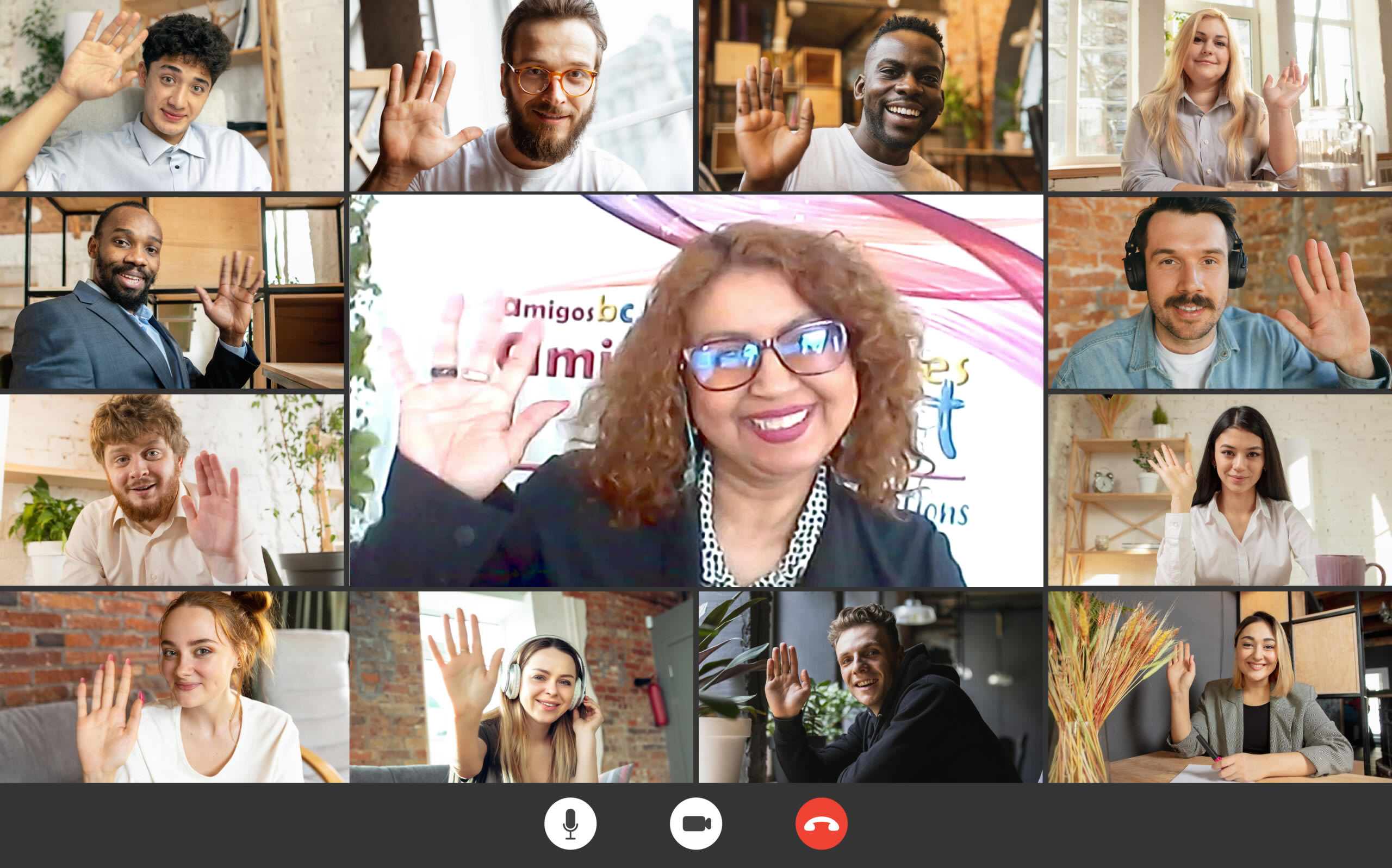
Angela Beltran
Spanish Tutor for AmigosBC
Business Conversations ? Better Communication.
Whatsapp: +1 858 442 1472
Email: angela@amigosbc.com
Website: amigosbc.com
Location: Utah Valley
Online Spanish Coaching: Available throughout the U.S.
[BUTTON: Contact AmigosBC]